The Philippine Sugarcane Industry: Challenges And Opportunities
Di: Everly
The history of the sugar industry explains its present economic and institutional features. Large-scale farming of sugarcane began back in the Spanish colonial period during the 1700s. In the
Prime lands are now being converted into resettlement areas and for industrial uses. Agricultural land area has therefore been decreasing through time.
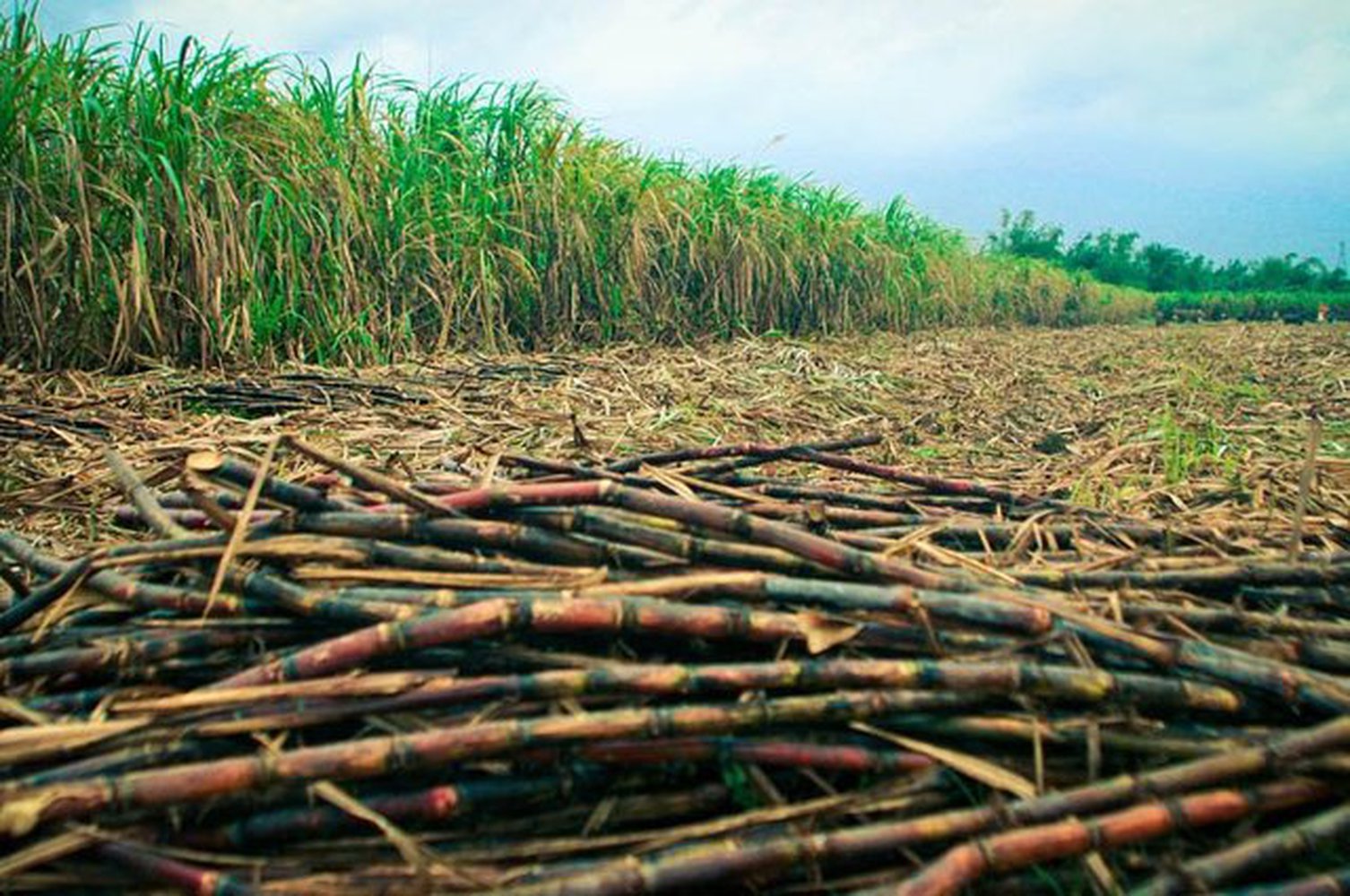
Issues Paper on the Sugar Industry in the Philippines
MANILA –The Philippine Coconut Authority (PCA) is aiming to make the country to capture more of the rising global market for coco-sugar, a natural product from coconut
By 2040, the Philippines shall have a globally competitive sugarcane industry that supports the food, power, and other related industries through an institutionally competent SRA and committed stakeholders, for a
- Sustainability initiatives for the sugar industry
- Sugarcane Breeding and Germplasm Development in the Philippines
- The Sugar Industry in 2025: Challenges, Shifts, and Opportunities
- The Philippine Sugarcane “Challenges & Opportunities”
The study aims to know the socio-economic status of sugarcane farmers in the province; evaluate their management practices on sugarcane production profitability based on
Sugarcane is grown by over 35 million farmers and is used to produce various products including sugar, jaggery, molasses, ethanol and electricity. However, India faces several challenges in
Farmgate price of sugarcane for raw sugar production in the Philippines from 2012 to 2023 (in Philippine pesos per kilogram) Premium Statistic Sugar mill site price Philippines
PH aims for global competitiveness in coco-sugar
Sugarcane production in the Philippines was competitive under export trade and import substitution scenarios. Exporting sugarcane is an excellent opportunity for the country to
The Philippine domestic sugar industry has a wide set of components along the value chain of production and trading. Due to its past history and organization, economic
Sugar cultivation in the Philippines traces its roots back to the Spanish colonial era, with the introduction of sugarcane by Spanish settlers in the 18th century. The fertile soil and tropical climate proved ideal for sugarcane
The Philippine sugarcane industry is worth roughly 88 billion pesos and employs around 700,000 Filipinos. However, the competitiveness of the local industry ($0.17 per lb
exploits the opportunities of trade liberalization, especially on increasing on farm productivity. The reduction of tariff of imported sugar at 5% (which started last 2015) really affect the Philippines.
sugarcane is planted on approximately 420,000 hectares in the Philippines, with about 62,000 sugarcane farmers (Table 1). The industry provides employment to about 5 million people in
- Issues Paper on the Sugar Industry in the Philippines
- Worsening labor and production conditions in the sugar industry
- Agriculture in the Philippines: Challenges and Opportunities
- PH aims for global competitiveness in coco-sugar
As of May 5, 2024, the country’s combined raw and refined sugar supply increased by 35% from 851,370 MT last year to 1.15 million MT this year. The unexpected rise in sugar production allows for a stable supply and prices of
Sugarcane as a crop is currently grown in 17 provinces, which are widely distributed in 8 regions from the northernmost island of Luzon to the southernmost island of Mindanao. Sugar trading
One of the reasons is the accumulated decreased productivity of small – sized farm. To address the decrease in sugarcane production, this research aims to (1) provide
Facing significant challenges, the Philippine sugarcane industry strives for sustainability—can modern solutions unlock its true potential? Discover more inside.
In a harmonious extension of this cultural enrichment, a parallel effort is made to assess the status of the Kalamay Festival in Iloilo. This evaluation encompasses economic,
Thailand, as a newcomer to the sugar industry compared to centuries-old production of sugar in the Philippines, was able to avoid the very counter-productive intrusion of politics and vested interests in the Philippine
The law aims to to promote the competitiveness of the sugarcane industry and maximize the utilization of sugarcane resources, and improve the incomes of farmers and farm workers,
Agriculture has long been a cornerstone of the Philippine economy, playing a vital role in the country’s development and food security. As an archipelagic nation with diverse
Sugarcane breeding in the Philippines began a century ago. Early sugarcane farmers in the Philippines were dependent on introduced varieties for cultivation since the early
In sugar processing, inefficient sugar mills must be upgraded or repaired to improve sugar recovery to motivate farmers to grow and deliver quality canes to the mills. Improving the
OVERVIEW OF THE SUGARCANE INDUSTRY Updated September 2019 I. PLANTATION AREAS AND FARM PRODUCTIVITY The total sugarcane plantation area for crop year (CY)
The genetic engineering procedures for sugarcane are quite established. Transgenic sugarcane with herbicide tolerance, insect pest resistance (cane grub, stemborer)
The different possibilities for using sugarcane and its residues reinforce the importance of this material for the industry and the global economy. Thus, the present work
The fertile soil and tropical climate of the Philippines proved to be ideal for sugarcane cultivation, leading to the establishment of numerous haciendas and sugar mills across the islands. **The
- Agrargesellschaft Chemnitz Mbh • Vorstellung
- Tee Laden Karlsruhe | Teegeschäfte In Karlsruhe
- 20 Must-See Bob Haircuts For Fine Hair To Try In 2024
- Suchen Sie Gastroenterologen In Völklingen?
- The 10 Best Sideboards Of 2024
- The Electric Power Pack Xe1Control And Tools By Plarad
- Pilot´s Picks: 7 Best Drones With Obstacle Avoidance 2024
- Setting Up The Linksys Wrt32X – Linksys Wrt32X Anleitung Deutsch
- Celebrex 50Mg, 100Mg, 200Mg And 400Mg
- Fahrradcomputer Einstellen- Der Trick Mit Der Technik
- Convertitore Da Mpeg A Mp3
- Create An Ed25519 Ssh Key · Nono Martínez Alonso
- Abc Arznei Gutscheine | Abc Arznei Promo Code
- Pokemon Funkelstein Entwicklung
- A Lbrecht T Aer Gymnasium: Albrecht Thaer Iserv