3.1: Communication And Perception
Di: Everly
describe how self-concept, self-esteem, and self-efficacy shape our self-perception; describe how family and media influence self-perception; explain how self-perception, identity and
3.1: Communication and Perception
Communication is the tool that a manager must make use of to mobilise actions from his chosen actors. Communication is a process and not a singular event.

There are many factors that go into how we interpret the world and the people we encounter. In this chapter, we will discuss the process of how we form perceptions, the factors that influence our perceptions, and how we can
The perceptions that we make of others and that others make of us affect how we communicate and act. In this chapter, we will learn about the perception process, how we perceive others,
- Communication and Perception
- Risk Perception and Communication
- 3: The Perception Process and Perception of Others
PDF | The chapter explains what Communication is, especially in cross-cultural context. | Find, read and cite all the research you need on ResearchGate
1.3 Models and Forms of Communication
The perceptions that we make of others and that others make of us affect how we communicate and act. In this chapter, we will learn about the perception process, how we perceive others,
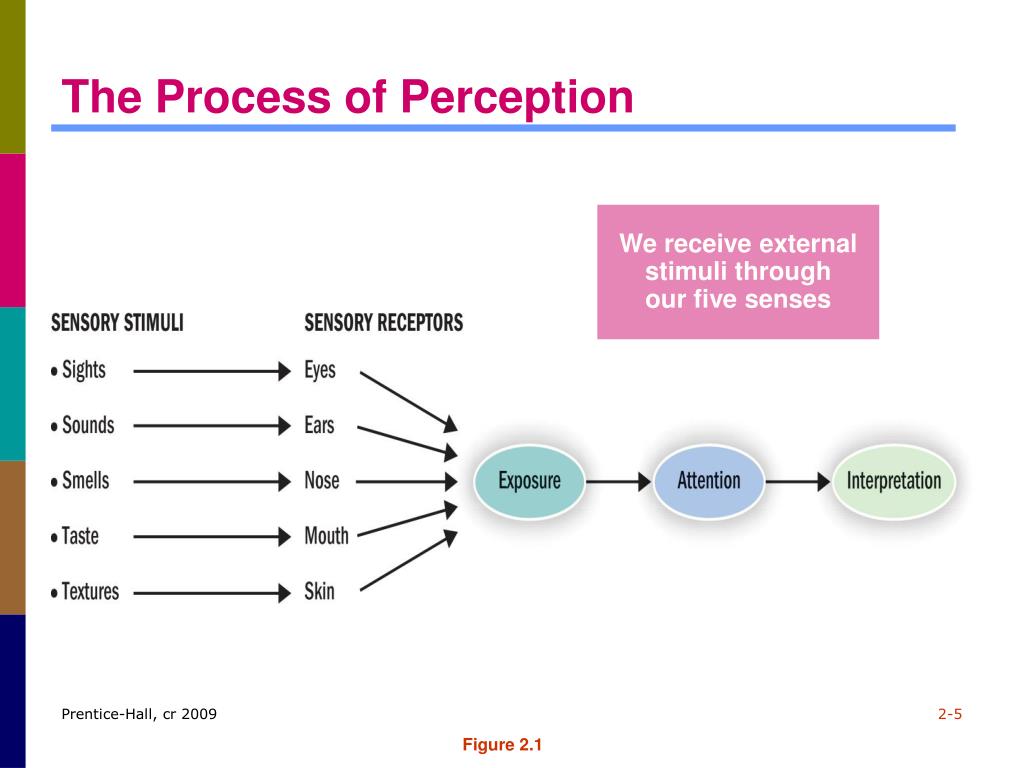
Interpretation: The third part of the perception process in which we assign meaning to our experiences using mental structures known as schemata.
3.4.2 Basic Channels Non-verbal Communication 3.5 Understanding of the Most Permanent or Lasting Characteristics – Attributions 3.5.1 Types of Attributions 3.5.2 Theories of Attributions
In this chapter, we will learn about the perception process and how we interpret a wide range of stimuli, from objects to people to behaviors. We will also address cultural and personality
By perception, we mean the process by which one screen, selects, In particular, four categories of personal characteristics can be identified: (1) physical appearance, (2) verbal
Chapter 2: Communication and Perception. 2.1 Perception Process. 2.2 Perceiving Others. 2.3 Perceiving and Presenting Self. 2.4 Improving Perception. Chapter 3: Verbal Communication .
- 3.1.2: Types of Communications in Organizations
- Chapter 3 Risk Perception and Communication
- Chapter 3 Interpersonal Communication and Perception.pptx
- 3.1: Communication and Perception
3.1 Define perception and explain the three stages of interpersonal perception. 3.2 List and describe the strategies we use to interpret the behavior of others. 3.3 Identify and apply five
In terms of words to use to communicate ideas, references to music or movies, even expectations for behaviors when dating, their mental “road map” may be quite different from yours. Even
Those of us who study communication are in a continual process of forming, testing, and reforming theories of communication (Littlejohn & Foss) so that we have a better understanding
The Role of Perception. 2.1 Introduction to the Role of Perception. 2.2 Perception. 2.3 Self-Perception. 2.4 Perceiving Others. 2.5 Improving Perception. 2.6 Review. III. Verbal
Perception is the process of selecting, organizing, and interpreting information. This process affects our communication because we respond to stimuli differently, whether they are objects
The perceptions that we make of others and that others make of us affect how we communicate and act. In this chapter, we will learn about the perception process, how we perceive others,
While verbal communication is our primary tool for solving problems and providing detailed instructions, nonverbal communication is our primary tool for communicating emotions. This
Risk Perception and Communication Frederic Bouder Many risk events whether natural or man-made have potentially devastating effects. For several decades, risk scholars, regulatory
I n this section, we will be discussing how communication is used to meet needs; exists on multiple levels; is a transactional process; is situated; can be either face-to-face, mediated, or
The perceptions that we make of others and that others make of us affect how we communicate and act. In this chapter, we will learn about the perception process, how we perceive others,
Their mental “road map” may be quite different from yours in terms of words to communicate ideas, references to music or movies, and even expectations for behaviors when dating. Even
Expressing Observations. When we express observations, we report on the sensory information we are taking or have taken in. As we learned in Chapter 2 “Communication and Perception”
meanings to the same stimulus, then perceptions differ and communication problems arise. It is no wonder that Varner and Beamer (2006, p.29) remark “When we don’t share common
Explain the perception process and how it influences interpersonal relationships. Discuss the factors, including psychological tendencies that affect how we perceive others and impact our
3.1: Communication and Perception The page discusses the perception process, which involves selecting, organizing, and interpreting information. This process influences communication
When speaking or writing, your style, tone, and word choice all influence the reader. The degree to which you can tailor your message to their needs will be associated with an increase in the
Further, animal communication is very limited and lacks the productive quality of language that we discussed earlier. Although animals do communicate in some ways, humans’ ability to use
- Medizinisches Versorgungszentrum Am Prinzesshofpark Ggmbh
- Autorenprofil Von Markus Miller • Spezialist/In Für Finanzen
- Parking At The University Of Chicago Medicine
- 17 Jahre Alte Golferin Chiara Noja
- Lux Polsternägel 9 Mm X 12,5 Mm Altmessing 40 Stück
- Batch-Input-Mappe Abspielen – Sap Batch Input Öffnen
- Nar Çiçeğinin Faydaları, Çayı Neye İyi Gelir?
- Rufer Der Dracthyr | Wow Dracthyr Builds
- Turmhotel Schwedt : Alle Infos Zum Hotel
- Vergütungsverzeichnis Zum Rechtsanwaltsvergütungsgesetz
- Praktische Maßeinheiten _ Größeneinheiten Tabelle